Build a reliable lead follow-up process that defines ownership, next actions, timing, and reminders so promising opportunities do not get forgotten.


Your content goes here. Edit or remove this text inline.

Your content goes here. Edit or remove this text inline.

Your content goes here. Edit or remove this text inline.

Your content goes here. Edit or remove this text inline.
VIEW ALL SERVICES
Business
metus vulputate eu scelerisque felis imperdiet proin fermentum leo vel orci porta non pulvinar neque laoreet suspendisse interdum consectetur libero id faucibus nisl tincidunt eget nullam non nisi est sit

Build a reliable lead follow-up process that defines ownership, next actions, timing, and reminders so promising opportunities do not get forgotten.
Learn what a business process improvement consultant does, when a small business may need one, and how the right engagement can improve operations.
Learn a simple way to calculate how much inefficient processes cost your business in labor, delays, errors, lost opportunities, and unnecessary work.

Before automating a business process, map how the work actually happens. Learn a simple approach for finding unnecessary steps, delays, and handoffs.
Lean is not only for manufacturing. Learn how the eight wastes of Lean appear in everyday small business processes and where to look for improvement.
Stop repeatedly fixing the same problem. Learn how root cause analysis and the Five Whys can help small businesses solve the issue behind the symptom.
Learn why establishing a consistent process before introducing automation can reduce errors, simplify technology, and improve business results.
Have too many things to fix? Learn how to prioritize process improvements based on impact, effort, frequency, risk, and measurable business value.
Learn which repetitive business processes are good automation candidates, which ones are not, and what to consider before choosing new technology.
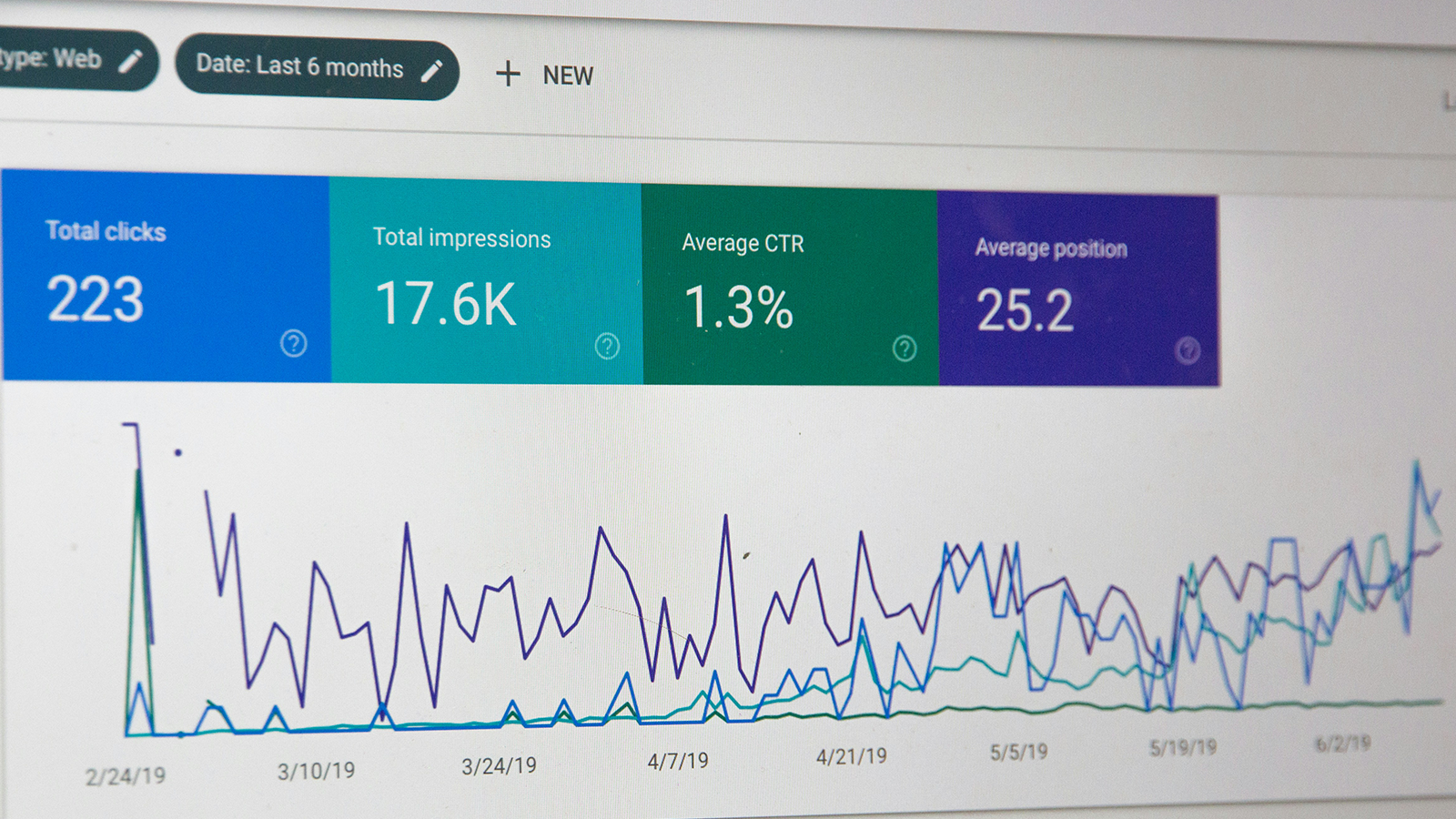
Learn how to securely give Practical Momentum access to your Google Analytics 4 property without sharing your password, with step-by-step instructions.
Learn how to identify business processes that waste time, create frustration, increase costs, or prevent a growing business from working efficiently.
Build a reliable lead follow-up process that defines ownership, next actions, timing, and reminders so promising opportunities do not get forgotten.
Learn what a business process improvement consultant does, when a small business may need one, and how the right engagement can improve operations.
Learn a simple way to calculate how much inefficient processes cost your business in labor, delays, errors, lost opportunities, and unnecessary work.
Before automating a business process, map how the work actually happens. Learn a simple approach for finding unnecessary steps, delays, and handoffs.
Lean is not only for manufacturing. Learn how the eight wastes of Lean appear in everyday small business processes and where to look for improvement.
Stop repeatedly fixing the same problem. Learn how root cause analysis and the Five Whys can help small businesses solve the issue behind the symptom.
Learn why establishing a consistent process before introducing automation can reduce errors, simplify technology, and improve business results.
Have too many things to fix? Learn how to prioritize process improvements based on impact, effort, frequency, risk, and measurable business value.
Learn which repetitive business processes are good automation candidates, which ones are not, and what to consider before choosing new technology.
Learn how to securely give Practical Momentum access to your Google Analytics 4 property without sharing your password, with step-by-step instructions.
Learn how to identify business processes that waste time, create frustration, increase costs, or prevent a growing business from working efficiently.
Build a reliable lead follow-up process that defines ownership, next actions, timing, and reminders so promising opportunities do not get forgotten.
Learn what a business process improvement consultant does, when a small business may need one, and how the right engagement can improve operations.
Learn a simple way to calculate how much inefficient processes cost your business in labor, delays, errors, lost opportunities, and unnecessary work.
Before automating a business process, map how the work actually happens. Learn a simple approach for finding unnecessary steps, delays, and handoffs.
Lean is not only for manufacturing. Learn how the eight wastes of Lean appear in everyday small business processes and where to look for improvement.
Stop repeatedly fixing the same problem. Learn how root cause analysis and the Five Whys can help small businesses solve the issue behind the symptom.
Learn why establishing a consistent process before introducing automation can reduce errors, simplify technology, and improve business results.
Have too many things to fix? Learn how to prioritize process improvements based on impact, effort, frequency, risk, and measurable business value.
Learn which repetitive business processes are good automation candidates, which ones are not, and what to consider before choosing new technology.
Learn how to securely give Practical Momentum access to your Google Analytics 4 property without sharing your password, with step-by-step instructions.
Learn how to identify business processes that waste time, create frustration, increase costs, or prevent a growing business from working efficiently.
Build a reliable lead follow-up process that defines ownership, next actions, timing, and reminders so promising opportunities do not get forgotten.
Learn what a business process improvement consultant does, when a small business may need one, and how the right engagement can improve operations.
Learn a simple way to calculate how much inefficient processes cost your business in labor, delays, errors, lost opportunities, and unnecessary work.
Before automating a business process, map how the work actually happens. Learn a simple approach for finding unnecessary steps, delays, and handoffs.
Lean is not only for manufacturing. Learn how the eight wastes of Lean appear in everyday small business processes and where to look for improvement.
Stop repeatedly fixing the same problem. Learn how root cause analysis and the Five Whys can help small businesses solve the issue behind the symptom.
Learn why establishing a consistent process before introducing automation can reduce errors, simplify technology, and improve business results.
Have too many things to fix? Learn how to prioritize process improvements based on impact, effort, frequency, risk, and measurable business value.
Learn which repetitive business processes are good automation candidates, which ones are not, and what to consider before choosing new technology.
Learn how to securely give Practical Momentum access to your Google Analytics 4 property without sharing your password, with step-by-step instructions.
Learn how to identify business processes that waste time, create frustration, increase costs, or prevent a growing business from working efficiently.